Swiss Weather Station Networks Supply Continuous Readings That Help Shape Preparation Cycles for Football Squads and Swimming Groups Across Multiple Cantons
Yara Washington · Nov 17, 2026
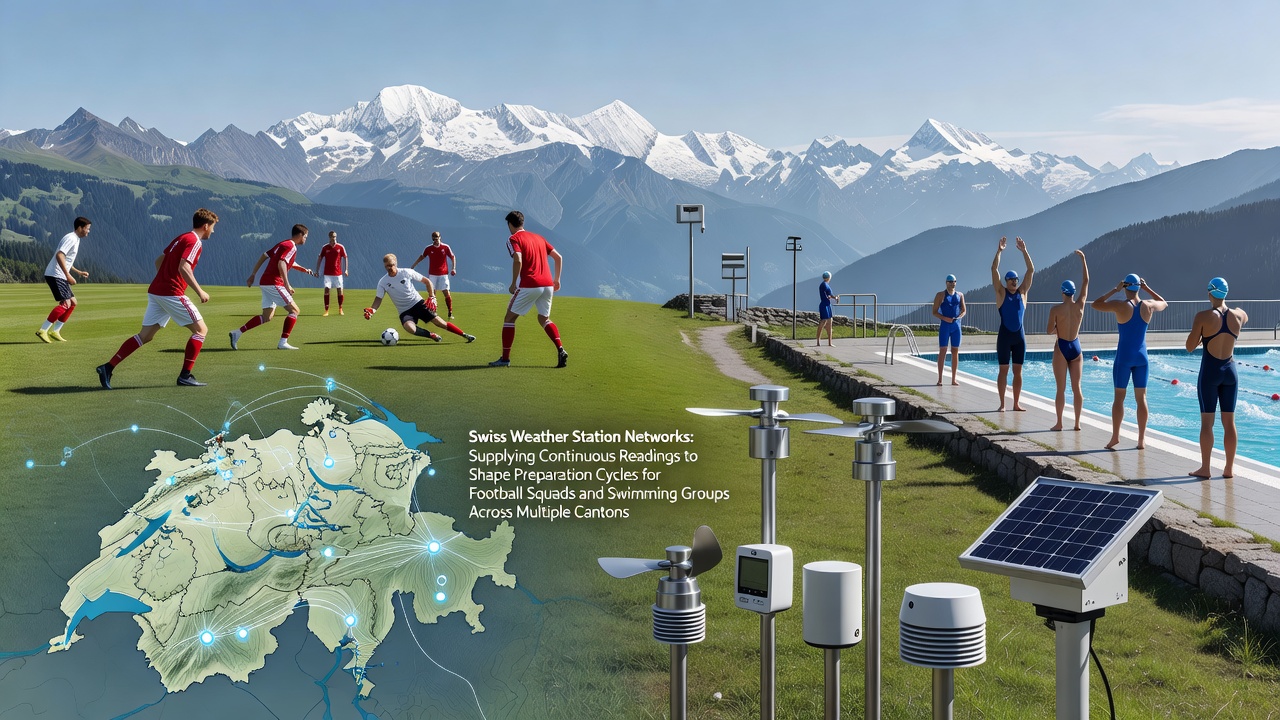
Swiss Weather Station Networks Supply Continuous Readings That Help Shape Preparation Cycles for Football Squads and Swimming Groups Across Multiple Cantons
Switzerland maintains an extensive array of automated weather stations that deliver round-the-clock measurements of temperature, precipitation, wind speed, humidity, and solar radiation, and these readings feed directly into training schedules for football squads and swimming groups operating in cantons from Valais to Zurich and Ticino to Bern. The Federal Office of Meteorology and Climatology, known as MeteoSwiss, coordinates the network, which includes both high-alpine outposts and valley floor units that capture microclimate variations critical for outdoor athletic planning. Data streams update every ten minutes, allowing coaches to adjust session intensity, hydration protocols, and venue choices based on immediate environmental conditions rather than long-range forecasts alone.
Data Integration in Football Preparation
Football teams across multiple cantons incorporate station outputs into weekly planning cycles, particularly when sessions involve pitch work or endurance runs in exposed areas. In the canton of Vaud, for instance, clubs monitor wind gusts above 25 kilometers per hour because sustained gusts increase the risk of dehydration and muscle strain during repeated sprint drills. Temperature thresholds trigger automatic schedule shifts: when readings fall below 8 degrees Celsius, indoor alternatives or shortened outdoor blocks replace standard routines. Precipitation data helps groundskeepers and coaches decide between natural grass fields and artificial surfaces, while humidity levels above 70 percent prompt earlier starts to avoid peak heat stress periods. Observers note that these adjustments have become routine since the expansion of real-time sensor coverage in the mid-2010s, and the same datasets also inform opposition scouting reports that factor in expected playing conditions at away venues.
Support for Swimming Groups and Open-Water Training
Swimming squads rely on overlapping but distinct parameters from the same station grid, especially for open-water sessions in lakes such as Geneva, Lucerne, and Maggiore. Water temperature proxies derived from nearby air and radiation readings guide wetsuit requirements and session duration, while wind data determines whether lake crossings or buoy circuits remain safe. In the canton of Schwyz, groups planning November 2026 training blocks already consult archived November records from the previous five seasons to estimate likely surface conditions, allowing them to pre-book indoor facilities on days when forecasted gusts exceed safe thresholds. Humidity and dew-point measurements help coaches anticipate fog formation over water, which can reduce visibility during group swims. Continuous feeds also support recovery planning, because post-session air temperature trends influence how quickly athletes return to normal core temperatures after cold-water exposure.
Cross-Canton Coordination and Technology
Because many squads travel between cantons for matches or camps, centralized data portals aggregate readings from stations separated by hundreds of kilometers. A team based in Basel can pull current conditions from stations near Sion or St. Moritz within the same dashboard, enabling consistent preparation standards regardless of elevation or regional weather patterns. Mobile applications used by both football and swimming staff display color-coded alerts when any monitored variable crosses sport-specific thresholds, and these alerts integrate with calendar tools so that schedule changes propagate automatically to athletes and support staff. The system draws on over 150 automated stations plus supplementary sensors at sports facilities, creating a dense observational mesh that captures both broad synoptic trends and localized effects such as valley inversions or lake breezes.
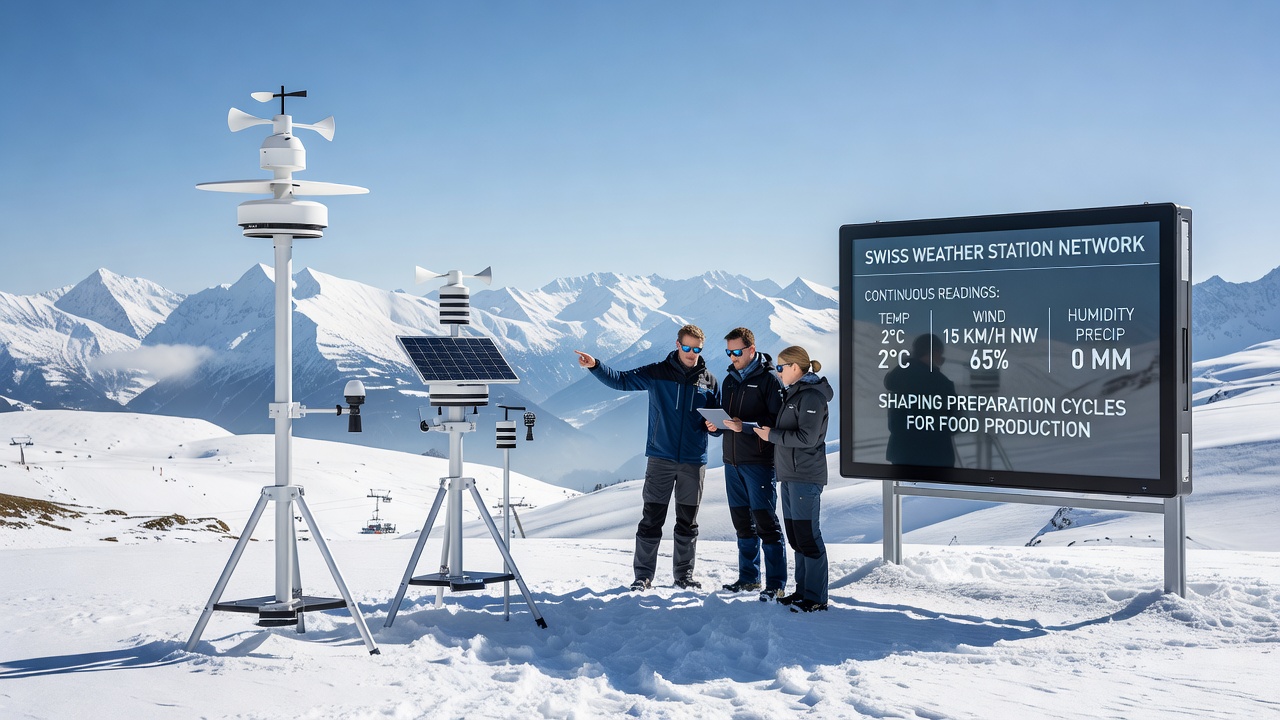
Research from the Swiss Federal Institute of Technology indicates that clubs using integrated weather data report fewer weather-related session cancellations and lower rates of heat or cold-related complaints among athletes. The same studies highlight that swimming groups in particular benefit from advance notice of rapid temperature drops, which can occur within hours when cold fronts move across the central plateau. In parallel, football academies in the Jura region have begun cross-referencing station wind profiles with video analysis of set-piece execution, because gust direction affects ball flight on exposed pitches.
November 2026 Outlook and Seasonal Patterns
Looking ahead to November 2026, historical data from the station network shows typical cooling trends across the Mittelland and pre-alpine zones, with average daily highs declining from 10 degrees Celsius early in the month to around 4 degrees by the end. Football squads in the canton of Aargau already factor these patterns into pre-season planning for the following spring, while swimming programs in Graubünden use the same records to calibrate indoor-to-outdoor transition protocols. Continuous monitoring also captures anomalous warm spells that occasionally extend open-water seasons, giving coaches the option to extend lake sessions rather than defaulting immediately to pool facilities. The network's ability to log such events at high temporal resolution supports evidence-based decisions rather than reliance on generalized seasonal averages.
Conclusion
Swiss weather station networks therefore function as an operational backbone for athletic preparation across football and swimming disciplines, supplying granular, continuously refreshed readings that translate directly into daily and weekly training adjustments. The integration of these data streams across cantons enables consistent standards despite Switzerland's varied topography, and the resulting schedules reflect measured environmental realities rather than assumptions. As sensor density and analytical tools continue to evolve, the same infrastructure is expected to support additional performance metrics tied to specific weather variables in the seasons ahead.