Swiss Culinary Traditions Guiding Nutrition Strategies for National Cycling Squads and Tennis Competitors During Peak Seasons
Ulrich Simmons · Nov 3, 2026
Swiss Culinary Traditions Guiding Nutrition Strategies for National Cycling Squads and Tennis Competitors During Peak Seasons
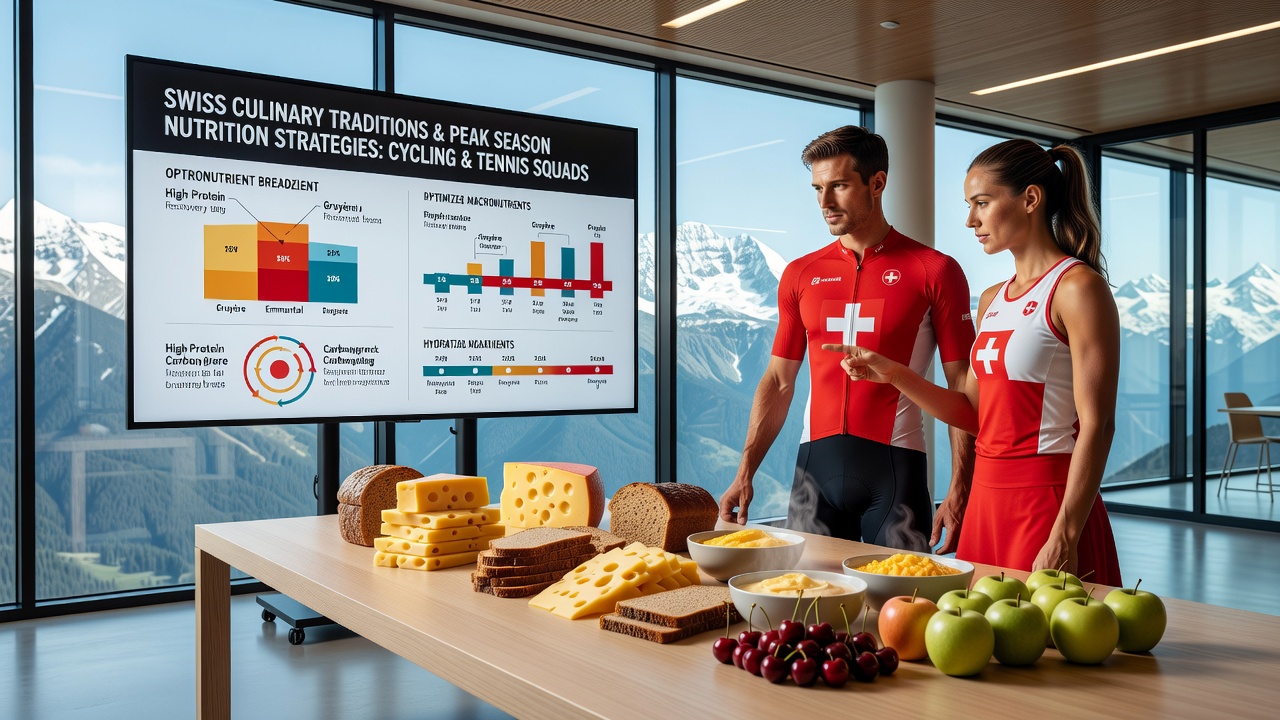
Swiss culinary traditions have long supplied core ingredients that shape nutrition protocols for national cycling squads and tennis competitors during peak seasons, and researchers at institutions across Europe have documented how local staples integrate into daily meal plans for sustained energy output. Birchermüesli, developed in the early twentieth century by a Swiss physician, combines oats, fresh fruit, nuts, and yogurt to deliver complex carbohydrates alongside protein, and data from the Swiss Federal Institute of Sport shows national teams frequently serve this dish at breakfast during intensive training blocks in May and June ahead of major events. Hard cheeses such as Gruyère and Emmental provide dense sources of calcium and casein, which cycling nutritionists incorporate into recovery meals after long rides on alpine routes, while tennis programs use smaller portions of the same products to support muscle repair without excess caloric load during tournament weeks.
Core Ingredients and Their Role in Energy Management
Potatoes and rye bread appear regularly in Swiss athlete kitchens because both supply readily available carbohydrates that align with the demands of multi-hour efforts on the bike or court, and studies from the University of Bern indicate these foods maintain stable blood glucose levels when paired with modest amounts of local butter or cheese. Observers note that national squads often prepare rösti as a midday option during peak summer competition periods, combining grated potatoes with herbs gathered from valley farms to add micronutrients without introducing heavy spices that might disrupt digestion. Chocolate produced in Swiss facilities, particularly dark varieties with high cocoa content, supplies quick-access energy and antioxidants; cycling teams include measured squares in feed bags for races lasting over four hours, whereas tennis competitors consume similar portions between sets to maintain focus during extended matches.
Adaptations for Cycling Squads in Summer Campaigns
National cycling programs draw on fondue and raclette traditions, yet modify them heavily for competition phases by using reduced-fat versions and pairing them with large vegetable servings to control overall fat intake while retaining flavor familiarity that supports psychological comfort on the road. In 2026 season planning documents released in November, squad dietitians outlined how alpine milk and whey proteins derived from regional dairy production feature in post-stage recovery shakes, delivering branched-chain amino acids that accelerate glycogen replenishment after climbs exceeding two thousand meters. Teams traveling between events also rely on dried fruits and nuts sourced from Swiss orchards, which travel well and provide potassium to offset electrolyte losses common in high-heat stages held during July and August.
Nutrition Approaches for Tennis Competitors
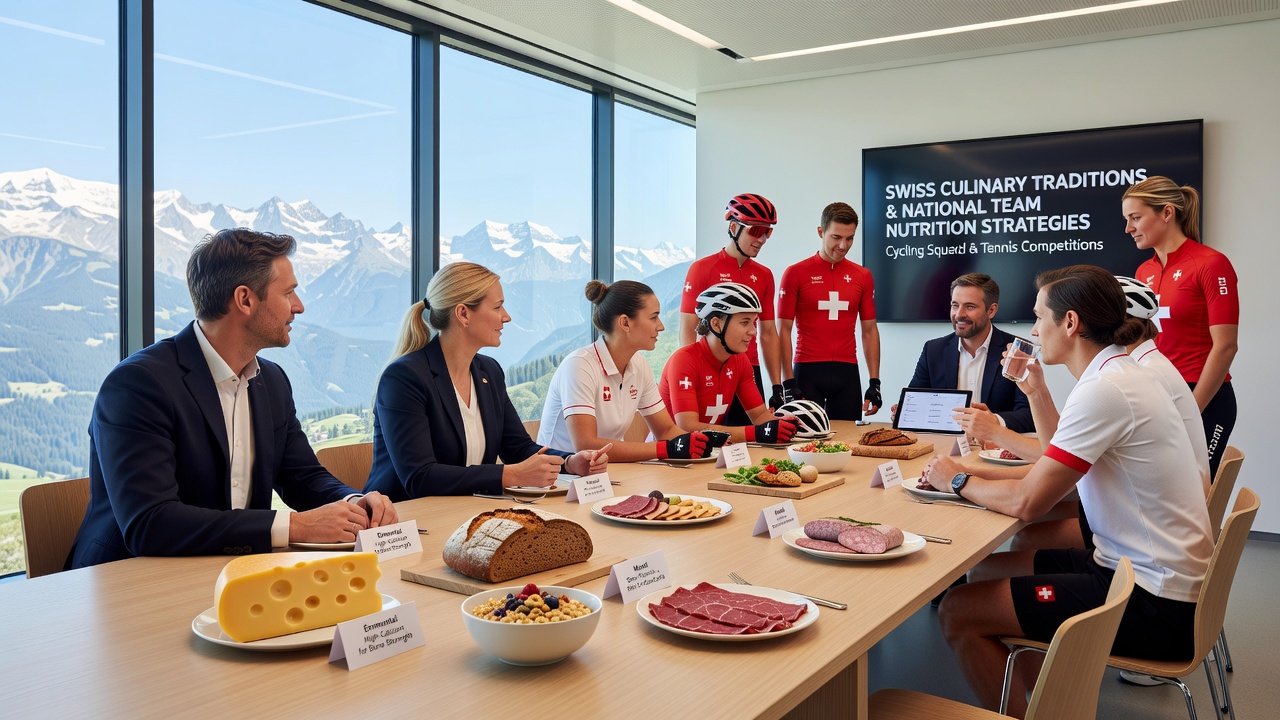
Tennis competitors integrate similar traditions through lighter applications, and records from Swiss Tennis Federation archives show that players competing on European clay and grass circuits receive customized plates featuring seasonal berries, quark, and whole-grain spätzle to balance macronutrients across practice and match days. Herbal infusions prepared from mountain plants such as lemon balm and elderflower support hydration protocols, replacing commercial sports drinks on rest days while still delivering electrolytes that help maintain performance in humid conditions typical of late-summer tournaments. Data collected during the 2026 European swing revealed that athletes who followed meal patterns rooted in these regional ingredients reported fewer gastrointestinal issues compared with those relying solely on imported supplements.
Seasonal Timing and Preparation Cycles
Peak season alignment begins months earlier, and nutrition staff review historical performance metrics each November to adjust menus ahead of the following year's calendar. During off-peak periods teams emphasize variety drawn from Swiss harvest cycles, incorporating root vegetables and preserved meats in controlled quantities that build nutrient reserves without adding unnecessary body mass. When competition resumes, portion sizes shift toward higher carbohydrate density while preserving the flavor profiles athletes associate with home cooking, which research links to improved adherence rates across both cycling and tennis programs.
Integration with Training Logistics
Logistical support from Swiss rail networks allows fresh ingredients to reach remote training camps, and federation reports confirm that dairy products and baked goods arrive daily at high-altitude facilities used by both sports. This supply chain enables consistent application of culinary traditions even when squads prepare in isolated locations, reducing reliance on processed alternatives that might lack the micronutrient density of farm-sourced items. Coordination between chefs and sport scientists ensures that menus evolve with individual athlete feedback collected throughout each season.
Conclusion
Swiss culinary traditions continue to inform structured nutrition strategies that support national cycling squads and tennis competitors through demanding peak seasons, and ongoing data collection from multiple federations tracks how these approaches correlate with competition outcomes across successive years. The combination of familiar local ingredients with precise portion control and timing creates a framework that meets physiological requirements while respecting cultural food patterns established over generations.