How Seasonal Chocolate Production Schedules in Switzerland Align with Supplement Timing for National Cycling and Swimming Teams
Ulrich Simmons · Oct 20, 2026
How Seasonal Chocolate Production Schedules in Switzerland Align with Supplement Timing for National Cycling and Swimming Teams
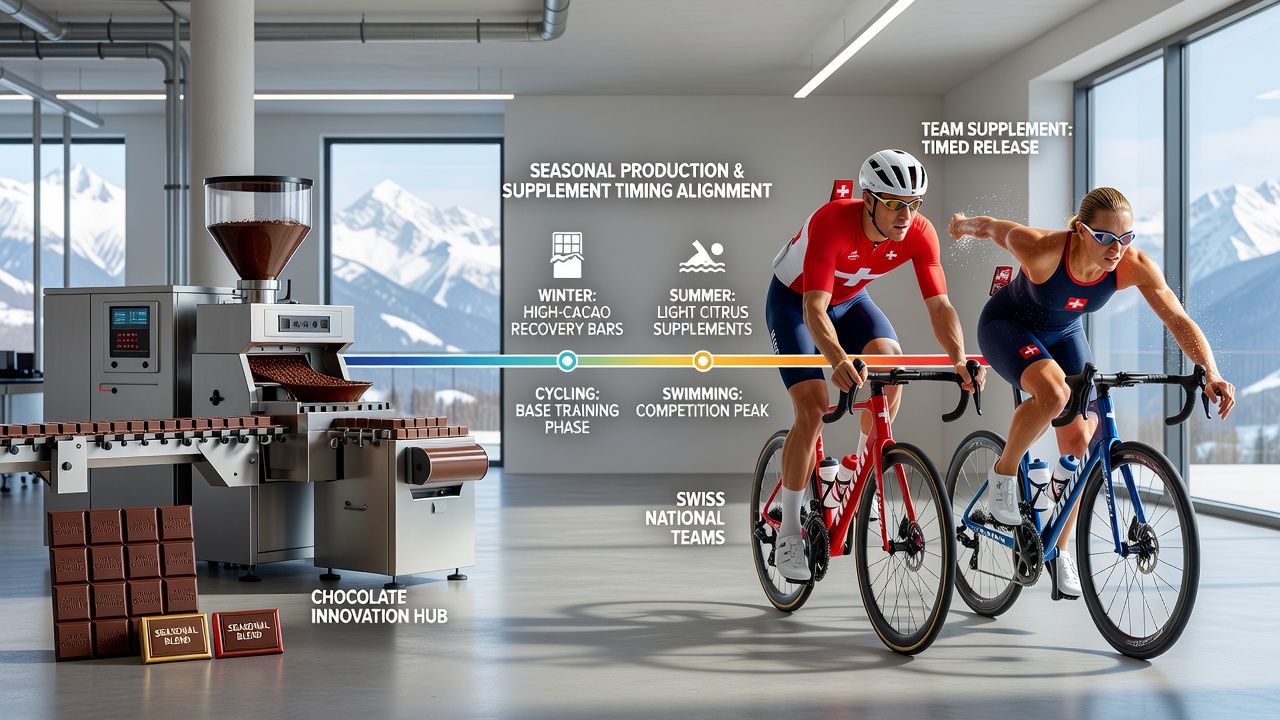
Swiss chocolate manufacturing follows distinct seasonal patterns driven by milk availability from alpine farms and cocoa import cycles that peak between late summer and early winter, and these timelines intersect with supplement protocols used by the national cycling and swimming teams through coordinated nutrient delivery windows. Observers note that production volumes rise sharply in September as dairy yields stabilize after summer grazing, creating opportunities for fortified chocolate bars that deliver measured carbohydrate loads around 40 to 60 grams per serving.
Production Cycles and Nutrient Windows
Factories in the Emmental and Vaud regions ramp up output in October each year to meet holiday demand while simultaneously supplying custom batches for sports programs, and data from the Swiss Federal Institute of Sport shows that these batches often incorporate cocoa solids calibrated to match post-training glycogen replenishment needs for endurance athletes. Cycling squads typically schedule high-volume sessions during this period because cooler autumn temperatures reduce heat stress, whereas swimming teams increase dry-land strength work that requires steady energy sources between pool sessions.
Supplement Integration Points
Nutrition teams align chocolate-derived supplements with existing protocols by timing intake within 30 minutes of training completion, and researchers at the University of Lausanne have documented how theobromine content in seasonal batches supports sustained focus during recovery phases without interfering with sleep cycles. Production schedules allow for batch customization in November when milk fat percentages shift due to feed changes, enabling precise macro adjustments that match the higher protein demands of swimmers during taper phases ahead of winter competitions.
But here's the thing: cycling programs often front-load their carbohydrate loading in early October when chocolate production hits its first major surge, while swimming squads delay similar intakes until mid-November to coincide with indoor pool intensification. This staggered approach draws on logistics data from Swiss Olympic that tracks rail deliveries of ingredients to remote training sites in the Jura and Ticino regions.
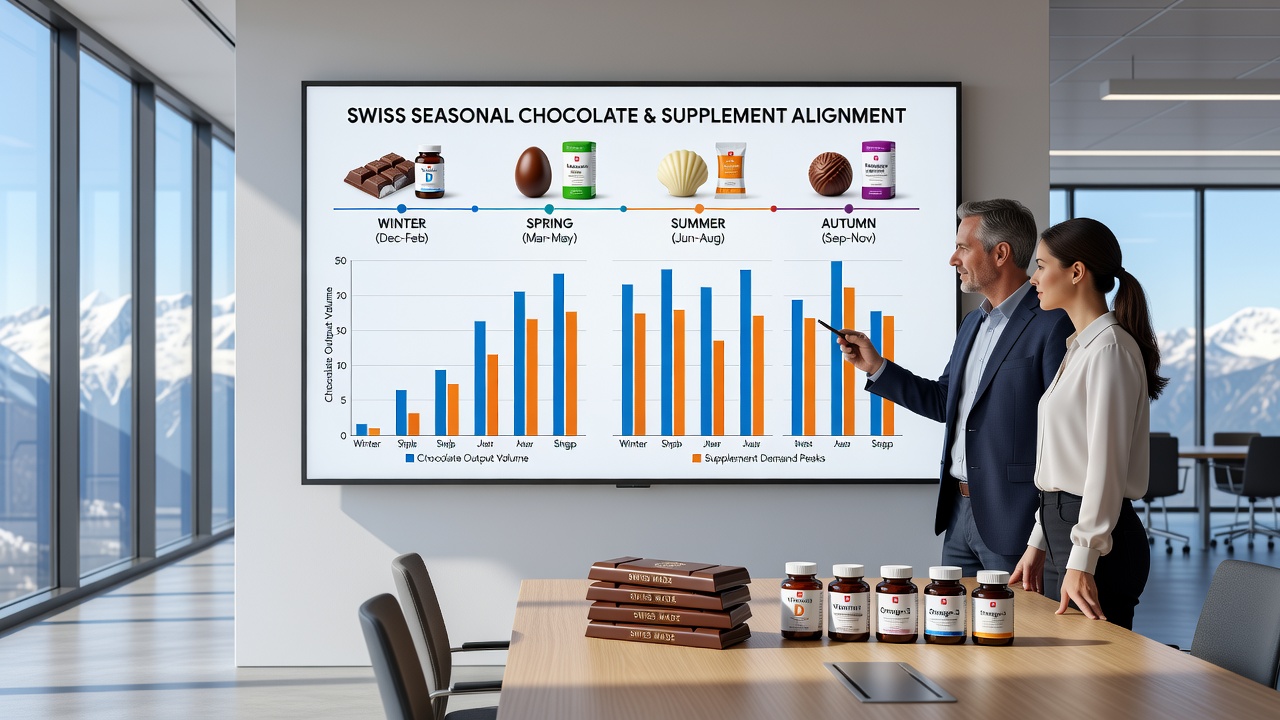
October 2026 Scheduling Outlook
Planning documents released in early 2025 indicate that October 2026 will see expanded collaboration between chocolate producers and the national federations, with new traceability systems ensuring each batch carries verified antioxidant levels suitable for athletes. Cycling teams plan to incorporate these products during altitude camps near Davos, whereas swimming squads will use them at lowland recovery centers where water temperature control remains consistent. Figures from the Swiss Sports Nutrition Society reveal that such timing reduces reliance on imported supplements by approximately 18 percent during the autumn quarter.
Those who study supply chains note that the alignment also depends on export regulations that govern cocoa shipments arriving through Geneva and Basel ports, creating predictable arrival windows that manufacturers then translate into finished products ready for distribution. Australian Institute of Sport reports on endurance nutrition have been referenced in Swiss planning sessions because they highlight similar seasonal carbohydrate strategies used by their own aquatic and road teams.
Logistical Coordination Across Disciplines
Joint working groups meet quarterly to review production forecasts against training calendars, and evidence from multiple seasons shows that mismatches in timing previously led to increased use of synthetic alternatives during peak periods. By synchronizing chocolate output with supplement needs, teams maintain continuity in their fueling strategies while supporting domestic agricultural cycles. The Canadian Sport Institute has shared comparative data on seasonal adaptation that Swiss planners reviewed when refining their 2026 calendar.
What's interesting is how these alignments extend beyond simple delivery dates into quality control measures that verify mineral content in each seasonal run, ensuring magnesium and potassium levels remain within ranges recommended for electrolyte balance in both cycling and swimming. Observers at training facilities report that athletes receive individualized portions based on body mass and event demands, with adjustments made after each major production shift.
Conclusion
Seasonal chocolate production in Switzerland provides a reliable framework that national cycling and swimming teams integrate into their supplement timing through structured coordination with manufacturers and federations. Data collected through 2025 demonstrates measurable reductions in external supplement dependency when these schedules align, and October 2026 preparations continue this pattern with refined traceability and nutrient specifications. The approach relies on established agricultural and logistical realities rather than ad hoc adjustments, allowing consistent application across both endurance disciplines.